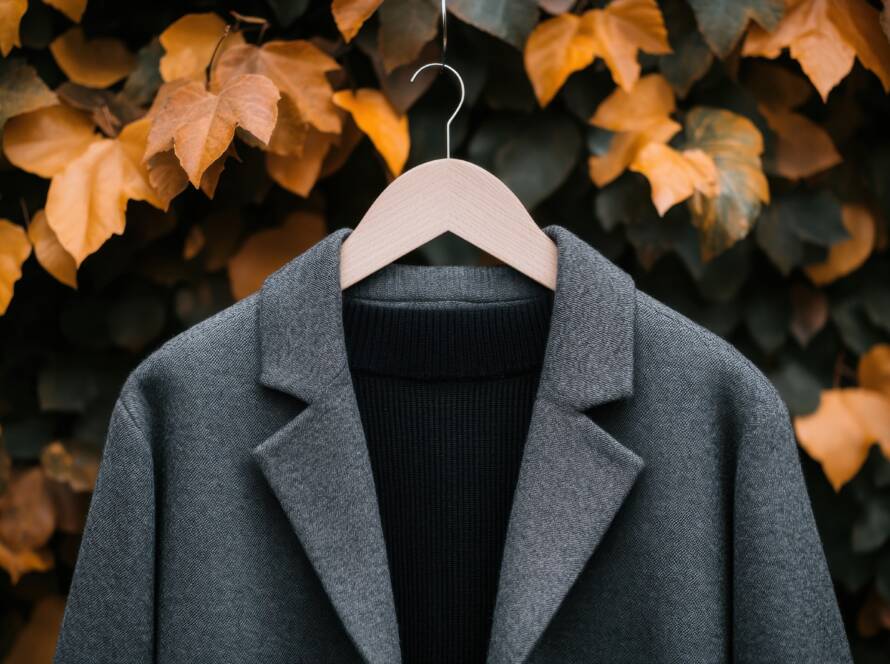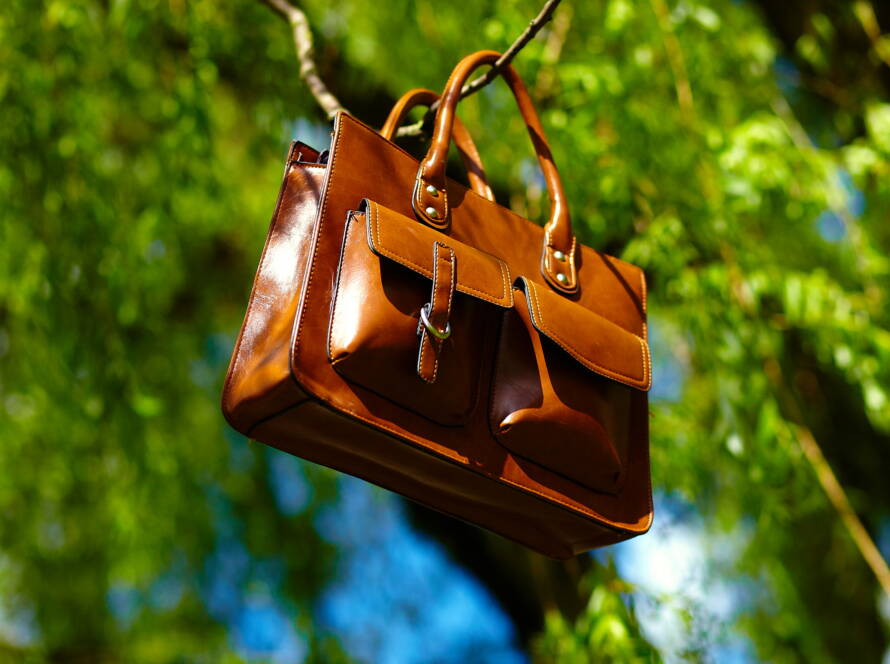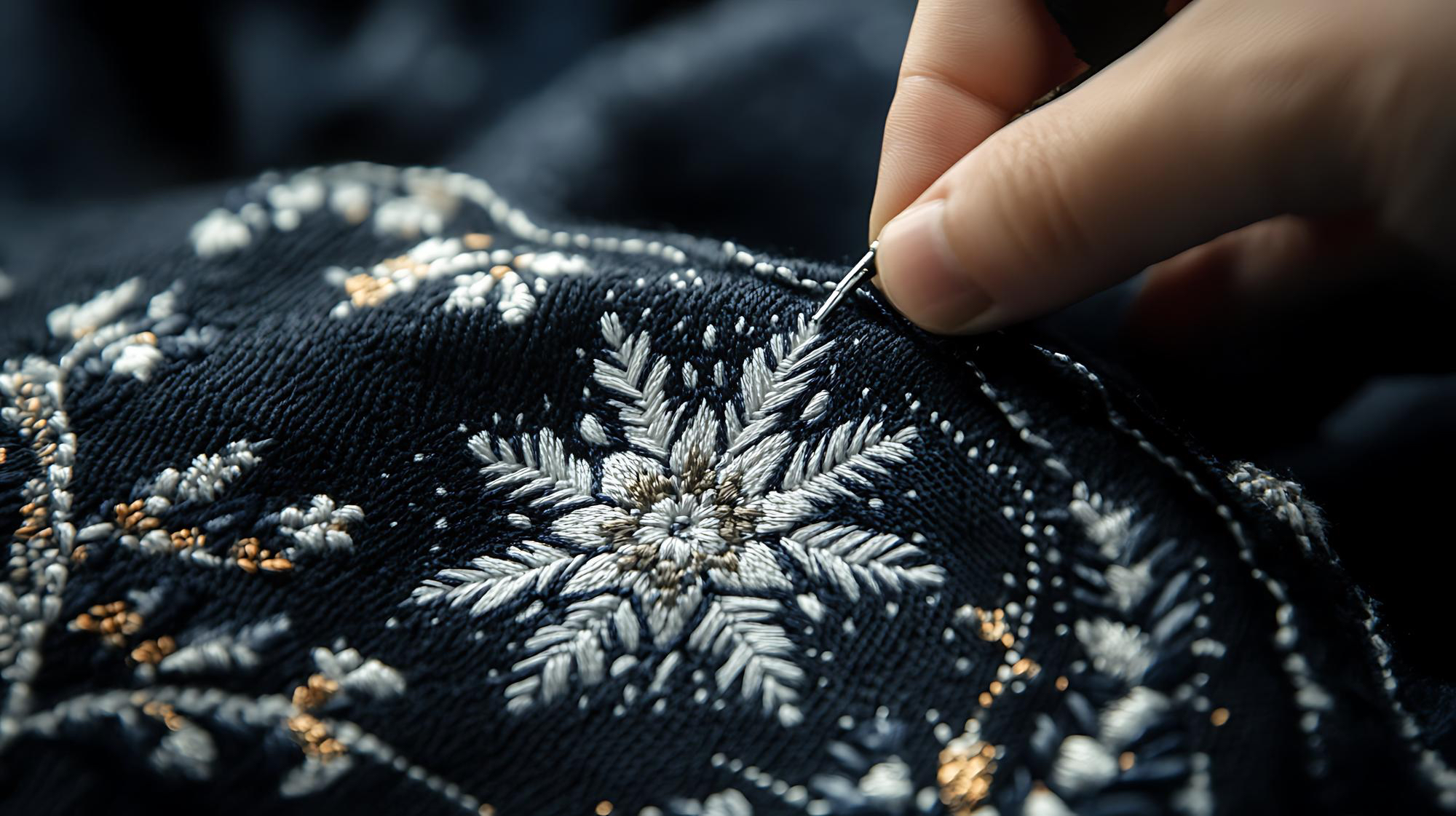
Machines now produce images faster than the eye can take them in. In the workshops, a needle crosses silk at the same pace it did a century ago. The future of luxury lies between those two speeds.
Watch an embroiderer at work and you understand what the word intelligence originally named. The hand does not follow a plan; it runs ahead of one. It feels the thread’s tension before the eye can check it, corrects the needle’s angle before the mind has put the error into words. The science of movement now says as much: the grasp anticipates, and the hand knows before the conscious mind does. Richard Sennett built his great book, The Craftsman, around this idea. Making is thinking. That is no sociologist’s flourish. It describes a complete form of cognition, lodged in the fingers, built from years of contact with material, beyond the reach of language and therefore beyond the reach of computation.
Henri Focillon said it as early as 1934, in his In Praise of Hands. Without the hand there is no geometry, for forms first had to be traced in the air and drawn in sand before they could be recognized in shells and crystals. The hand does not merely carry out thought. It came before thought in the history of our species, and it comes before it still, every time an artisan meets a material that resists. This knowledge cannot be transferred. It can only be handed down, which is another thing entirely.
And now 2026 has returned this old truth to the center of the market. The great houses have moved past experimentation into the deep integration of artificial intelligence, in logistics, in the archive, in service. In the same motion, they are reasserting the primacy of the hand with a clarity not seen in decades. Hermès entrusted its campaign of the year to an illustrator’s line while other houses now compose most of their imagery by computation. Kering opens an academy for the rare crafts this fall. LVMH speaks of technology kept backstage, invisible in the object itself. The division is drawing itself with new precision: to the machine, the infinity of the possible; to the hand, the singular.
It would be a mistake to read this as a quarrel between ancients and moderns. The line does not run between conservative houses and technophile ones. It runs between houses that know where the machine belongs and houses that do not yet. The machine does not threaten the gesture; it threatens the attention we pay to it. An algorithm can propose a thousand variations of a clasp. It has never felt metal cool beneath a thumb. All the value lives in that gap.
The real danger lies elsewhere, and it is quieter. Embroidery cannot be learned from a file. It passes from one hand to another, over years, in the closeness of a workshop. Let the chain break for a single generation and no server will restore it. The academies the great groups are founding today are not publicity; they are levees. In them one can read an admission: the industry’s most precious asset cannot be backed up. It can only be raised.
There remains the question of the age, the one the numbers ask bluntly. In a world where an image costs nothing and form is generated on demand, time becomes the only visible expenditure, the only one that cannot be faked. Luxury has always known this; it has never sold anything but human hours held fast in material. Artificial intelligence does not destroy that foundation. It reveals it, by making everything else free.
The machine abridges time. The hand consecrates it.
The worry, then, should be turned on its head. The age of computation does not retire the hand to the museum; it moves the hand to the summit. What the era calls progress measures speed. What luxury calls value measures slowness, freely chosen. As long as one hand remains to stretch a thread and another to learn to hold it, there will remain in the world something the most exact imitation will always leave out: the presence of someone in a thing.