The global decline of leather goods is not a crisis of consumption. It is a crisis of language: the monogram has ceased to say anything.
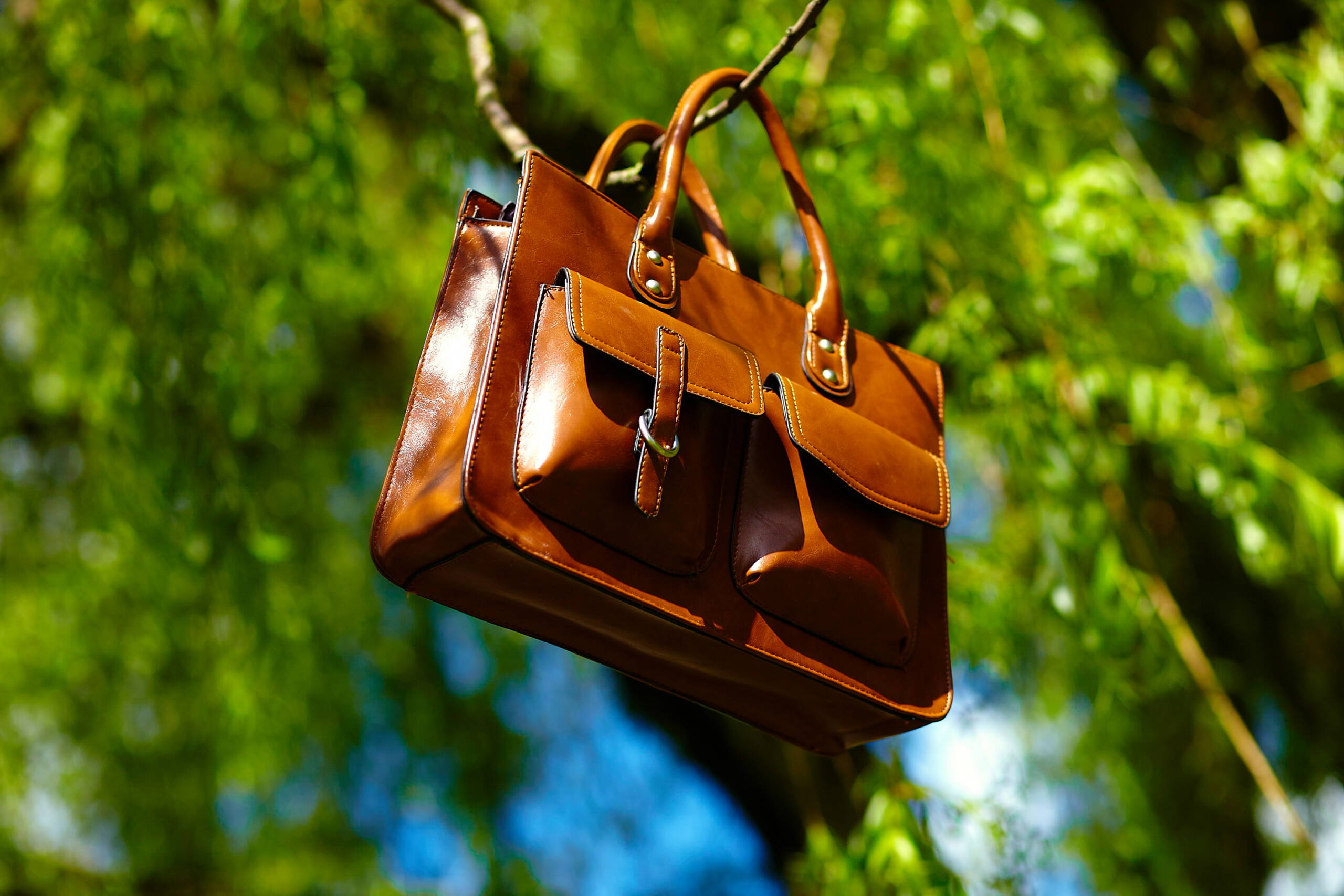
On a café terrace, three identical bags set at three different tables. The same monogram, the same coated canvas, the same gilded clasp. No one really notices them, because there is no longer anything to notice. The bag that was meant to set its owner apart sets nothing apart: it merely confirms that she made the same choice as everyone else.
The figures speak of a decline. LVMH’s Fashion and Leather Goods division fell from around 10.3 billion euros in the second quarter of 2024 to 9.2 billion in the third. Consideration for Gucci slipped from 13.4 to 11.9 percent in early 2025, that for Dior from 12.9 to 11.1. The press reads in this a matter of purchasing power, of price increases, of contested quality. One can read something else.
We believed it was a crisis of purchasing power. It was a crisis of meaning.
A monogram is a word. It speaks of belonging, of taste, of standing. It works as long as it stays legible, which is to say as long as it is not everywhere. The growth logic of the past ten years did the opposite: to produce the sign in bulk, to decline it on everything, to make it omnipresent. By dint of being repeated, the word lost its sense.
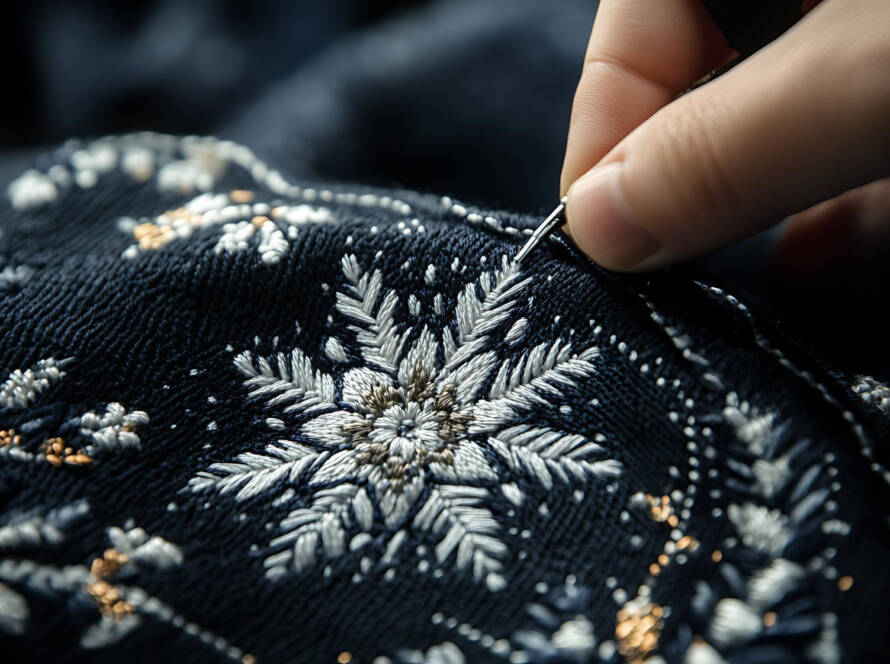
The generation now arriving is not fleeing luxury. It is fleeing the uniform. To carry the bag a whole city carries is no longer a sign of distinction, it is an admission of conformity. The same object that signalled yesterday that one had succeeded signals today that one has merely followed. Desire shifts toward what cannot be seen from afar: the material, the cut, the detail that only the initiated recognise.
This is why the most discreet houses hold up better. Those whose bag does not shout its name, whose luxury lodges in the hand that holds it rather than in the logo that announces it. They understood before the others that the strongest sign is the one few people know how to read.
The houses that panic respond with more signs: new variations, collaborations, editions. They add noise where silence is called for. The monogram is not saved by multiplying. It is saved by becoming rare again, and so by becoming legible again.
What the bag’s decline reveals goes beyond leather goods. All of luxury rests on a wager: an object is worth more than its function because it says something. The day the sign saturates, the object falls back to its use value, and luxury loses what makes it luxury. The bag that no longer speaks is not a bag that sells badly. It is a bag that has ceased to mean.
The decline of leather goods is not read in the sales curves. It is read in a silence: that of a sign everyone once owned, and that no one hears any longer.
When everyone wears the same sign, the sign no longer names anyone.