The women who decide without posing for photographs. Account of a silent shift of power in global cinema, observed from the 2026 Croisette.
« The photograph is taken in front of the gown. Power, behind. »
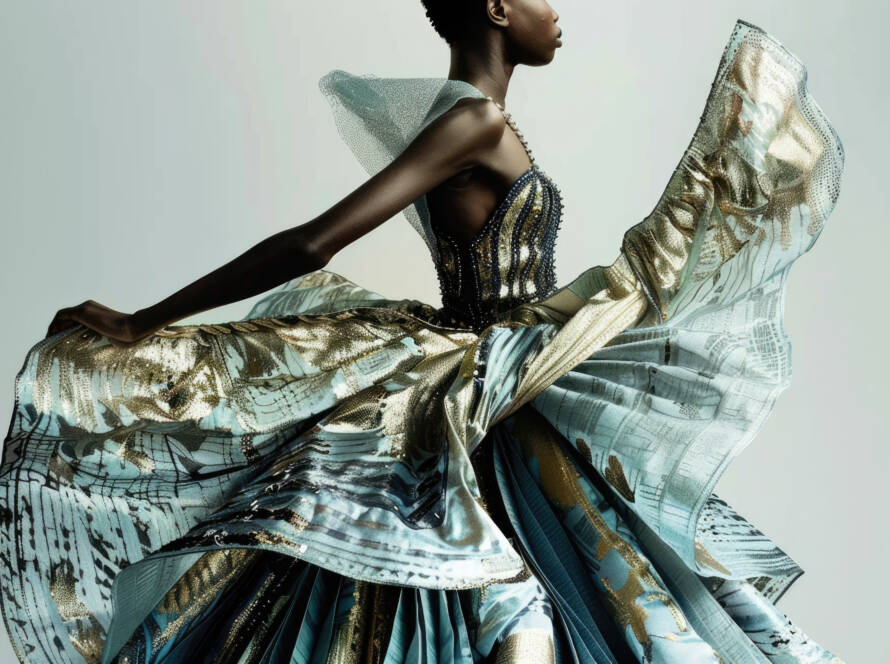
Every May, Cannes replays the same ritual. Eleven days of red carpet, two thousand photographers aligned along the Croisette, and several hundred gowns circulating between the Hotel Carlton and the Grand Theatre Lumiere. Photography concentrates on a few faces. Those of actresses.
The festival builds its public history by celebrating these faces. Actresses become icons there, become brands, become ambassadors. The fashion press claims them. Luxury Houses dress them. Jewelry brands adorn them. Cannes is, by design, a communications studio for actresses.
But what happens at Cannes is not decided in front of the lens. It is decided elsewhere.
The Visible Croisette
On 12 May 2026, the 79th Festival de Cannes opened. Seven Houses dominate the red carpets in fashion. Jacquemus, Dior, Gucci, Prada, Saint Laurent, Chanel, Schiaparelli. Six Houses impose themselves in jewelry. Chopard, De Beers, Pomellato, Chaumet, Messika, Pasquale Bruni. Cate Blanchett wore Givenchy and then Louis Vuitton on the first two days. Demi Moore arrived in Jacquemus. Ruth Negga, who sits on the jury this year, multiplies carefully orchestrated appearances.
This economy of the visible has existed since 1946. It forms the upper layer of the festival, the most mediatized, the most monetized. A layer of which actresses are the heroines.
But for every actress who poses, there are three people who never appear in the pages of magazines. The director, of course. The distributor, sometimes. And above all, almost never: the producer.
The Invisible Croisette
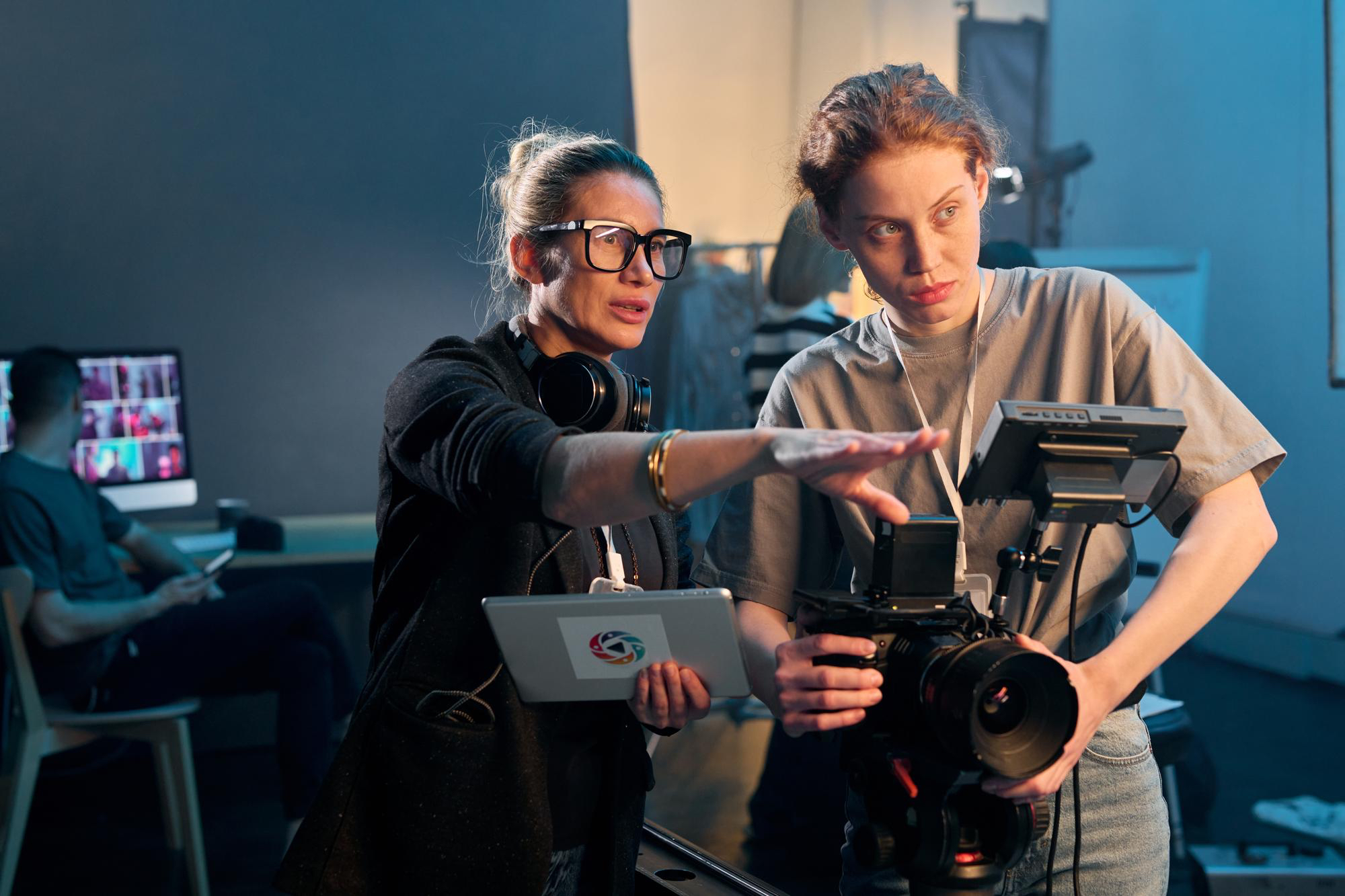
The producer is the one who raised the money. The one who bought the rights. The one who hired the director. The one who imposed the actress. The one who negotiated the sale price after the screening. The one who, on the morning after the closing night, walks away with a distribution contract for twenty-three countries.
This woman is not in the gowns. She is in the private boxes of the Carlton, in the rooms of the Marche du Film, in the closed door meetings of the Palais. She does not pose with Chopard. She signs checks.
Iris Knobloch has presided over the Festival since 2022. The first woman to hold this position in its seventy-five years of existence. Formerly an executive at LVMH then Warner Bros France. She does not parade. She decides.
Justine Triet, Palme d’Or 2023, produces her own films through her own company. She sometimes sits on juries, sometimes not. She is never dressed by an ambassador House. She wears her own gowns.
Reese Witherspoon, who sold Hello Sunshine for nine hundred million dollars in 2021, now comes to Cannes as a producer. Not as an actress. Margot Robbie founded LuckyChap Entertainment in 2014. That company produced Barbie. The sum generated by her function as producer exceeds what she earned as an actress.
Nicole Kidman, through Blossom Films, has spent ten years producing the series that showcase her. She no longer waits for roles to be offered. She commissions them. Salma Hayek, with Ventanarosa, produced Ugly Betty and several award winning films. Charlize Theron, with Denver and Delilah, has controlled her repertoire for fifteen years.
This list could extend. It has one thing in common. All these women have understood one thing. To be filmed generates a fee. To decide what will be filmed generates an estate.
The Shift
The movement is not new. What is new is its speed.
For three decades, actresses produced films occasionally, almost accessorily, most often to control their own roles. The current generation has inverted the logic. They produce first. They act sometimes.
This shift has two causes. The first is economic. Platforms have multiplied the demand for content, and actresses who control their own production company benefit directly from this explosion. Value sharing is more advantageous than fees, however dignified they may be.
The second cause is strategic. Being an actress exposes. Being a producer protects. The first gives her face, her age, her body. The second gives her signature. The face ages. The signature endures.
At Cannes 2026
This year’s program counts twenty two films in official competition. Of these twenty two, seven were produced or coproduced by a woman. The figure is not spectacular but it says something. In 2010, the figure was zero.
The Marche du Film, which runs in parallel to the festival, sees more than twelve thousand buyers and sellers passing through this year. A significant fraction of producers sign foreign sales of award winning films there. No gown. No photographer. A coffee, a contract, a commission that sometimes exceeds five hundred thousand euros.
This real economy of Cannes is documented. But it remains invisible because it does not lend itself to image. A signature does not make a photograph.
What This Says About Luxury
For a luxury or fashion House, the question has become strategic. Dressing the actress who poses gives immediate coverage. But it is the producer who decides which brand will be mentioned in the next film, which jewel will be worn by the actress in the next series, which House will have the right to appear in full frame placement in the next Cannes.
Houses that remain in an actress ambassador logic fall behind. Houses that begin to sign with producers move ahead. This shift, slow, silent, is one of the structural movements of contemporary luxury.
The most durable contracts now go to women who own their own production. These women do not sign as actresses. They sign as actress producers. The difference is not semantic. It determines the longevity of the agreement, the amount of fees, the share that returns to each party on the film’s exploitation, and the right of oversight on what will be said publicly.
« At Cannes, the light is on the red carpet. But the red carpet decides nothing. It records. »
To understand what happens at the festival, do not watch the steps of the Palais. Watch the private boxes of the Carlton. That is where the 2027 Cannes is signed, the LVMH contracts for the next three seasons, and the product placements for Netflix’s autumn series.
The producer does not pose for photographs. She decides which photographs will be taken.